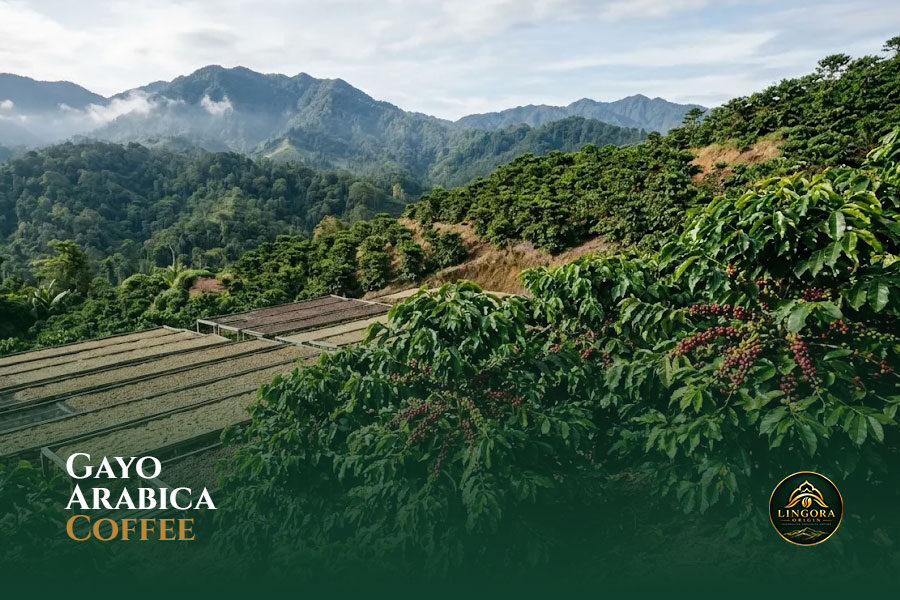
Gayo Arabica Coffee
Gayo Arabica Coffee is one of Indonesia’s recognized specialty coffee origins, appreciated by international coffee buyers for its distinctive flavor characteristics, rich aroma, and highland growing environment. Produced in the Gayo Highlands of Aceh, Sumatra, this coffee has become an interesting choice for specialty coffee roasters, importers, wholesalers, and distributors looking for distinctive Indonesian Arabica beans.
With its unique geographical conditions, traditional farming practices, and different post-harvest processing methods, Gayo coffee offers a variety of flavor profiles that can suit different coffee markets.
For international buyers, understanding the origin, quality characteristics, processing methods, and export specifications of Gayo Arabica Coffee is essential when selecting the right product.
In this guide, we explore everything buyers need to know about Gayo Arabica Coffee, from its growing regions and flavor profile to quality standards, sourcing considerations, and export opportunities.
1. What Is Gayo Arabica Coffee?
Gayo Arabica Coffee is Arabica coffee cultivated in the Gayo Highlands of Aceh Province, located in northern Sumatra, Indonesia.
The Gayo Highlands are widely associated with coffee cultivation, particularly around the Central Aceh, Bener Meriah, and Gayo Lues areas.
Coffee farms in this region benefit from mountainous landscapes, tropical conditions, and high-altitude growing environments.
These conditions contribute to the development of coffee beans with distinctive characteristics.
Gayo coffee is commonly associated with:
- Arabica coffee varieties.
- Highland cultivation.
- Distinctive aroma and flavor profiles.
- Different post-harvest processing methods.
- Specialty and commercial coffee markets.
For international buyers, Gayo Arabica Coffee represents an opportunity to source coffee from one of Indonesia’s established coffee-producing regions.
2. Where Does Gayo Coffee Come From?
Gayo coffee originates from the Gayo Highlands in Aceh, Sumatra.
The region’s mountainous environment provides suitable conditions for Arabica coffee cultivation.
Central Aceh
Central Aceh is one of the important coffee-producing areas in the Gayo Highlands.
The region is known for its highland coffee farms and agricultural communities that have developed coffee cultivation over generations.
Bener Meriah
Bener Meriah is another important coffee-producing area in Aceh.
Coffee grown in this region is associated with highland agricultural landscapes and various smallholder farming systems.
Gayo Lues
Gayo Lues is also part of the broader Gayo coffee-growing region.
Its geographical conditions and agricultural environment contribute to the diversity of coffee produced in the area.
Highland Growing Conditions
Several environmental factors influence the development of Gayo Arabica Coffee.
These include:
- Altitude and temperature.
- Rainfall and humidity.
- Soil characteristics.
- Shade and agricultural practices.
- Harvesting and post-harvest handling.
Although coffee from the same region can share certain characteristics, flavor and quality may vary depending on farm location, variety, harvest conditions, and processing methods.
3. Gayo Arabica Coffee Flavor Profile
One of the main reasons international buyers explore Gayo Arabica Coffee is its diverse sensory characteristics.
Depending on the specific lot and processing method, Gayo coffee can offer a balanced cup profile with different combinations of sweetness, acidity, body, and aroma.
Commonly described flavor characteristics may include:
- Chocolate notes.
- Brown sugar sweetness.
- Herbal characteristics.
- Earthy undertones.
- Nutty flavors.
- Mild to moderate acidity.
- Medium to full body.
These characteristics are general descriptions rather than guaranteed specifications for every Gayo coffee lot.
For specialty coffee buyers, requesting a representative sample and conducting a cupping evaluation is the best way to understand the actual flavor profile.
Aroma
Gayo Arabica Coffee can offer an aromatic profile influenced by its origin, variety, maturity, and processing method.
Depending on the lot, buyers may identify notes of chocolate, herbs, spices, or other aromatic characteristics.
Acidity
Acidity in Gayo coffee can range from mild to more pronounced depending on the growing conditions and processing method.
Its acidity can contribute to the overall balance and complexity of the cup.
Body
Many Gayo coffee lots are appreciated for their medium to full-bodied characteristics.
Body influences the mouthfeel and overall perception of the brewed coffee.
Sweetness and Aftertaste
Sweetness may be expressed through chocolate-like, caramel-like, or brown sugar characteristics.
The aftertaste can vary from clean and balanced to more complex depending on the coffee lot.
4. Gayo Arabica Coffee Varieties
Gayo coffee farms cultivate different Arabica varieties, each with its own agricultural and sensory characteristics.
Some varieties found in Indonesian Arabica production include:
Tim Tim (Timor Hybrid)
Tim Tim, also known as Timor Hybrid, is a coffee variety associated with Indonesian coffee cultivation.
It is valued for its agricultural characteristics and has been used in coffee-growing areas across Indonesia.
Ateng
Ateng is a commonly recognized name in Indonesian coffee farming, particularly in Sumatra.
The term is often used locally for certain cultivated coffee types and selections.
Typica
Typica is one of the historically important Arabica coffee varieties.
It is recognized in coffee-growing regions around the world and contributes to the genetic diversity of Arabica production.
Bourbon
Bourbon is another well-known Arabica variety.
It is appreciated in specialty coffee markets and is associated with a range of potential cup characteristics depending on growing conditions and processing.
Catimor
Catimor is a group of coffee varieties developed through breeding involving Timor Hybrid and Caturra genetic backgrounds.
It is cultivated in several coffee-producing countries, including Indonesia.
For buyers, variety information should be confirmed with the supplier because local variety names and farm-level identification may differ.
5. Gayo Coffee Processing Methods
Coffee processing plays an important role in shaping the final flavor profile.
After harvesting, coffee cherries undergo different post-harvest treatments to remove the fruit and prepare the beans for drying, storage, and export.
Several processing methods are used in Indonesian coffee production.
Washed Process
The washed process involves removing the coffee cherry skin and pulp, followed by fermentation and washing to remove remaining mucilage.
The beans are then dried to the appropriate moisture level.
Washed Gayo coffee may offer a cleaner cup profile with more clearly expressed acidity and origin characteristics.
Natural Process
In the natural process, whole coffee cherries are dried before the outer fruit layers are removed.
The method can contribute to fruit-forward characteristics and increased perceived sweetness, depending on the coffee lot.
Honey Process
Honey processing involves removing the coffee cherry skin while leaving some mucilage attached to the beans during drying.
The amount of remaining mucilage and drying conditions influence the final characteristics.
Honey-processed Gayo coffee may offer a balance of sweetness, body, and acidity.
Wet-Hulled Process
Wet-hulled processing, locally known as Giling Basah, is strongly associated with coffee production in Sumatra.
In this method, the parchment is removed at a higher moisture content than in conventional dry-hulled processing.
This traditional method contributes to the distinctive characteristics often associated with Sumatran coffee.
Buyers should discuss the exact processing method and specifications with suppliers because processing details can vary between producers.
6. Gayo Green Coffee Beans: Specifications and Quality Standards
For international coffee importers and roasters, green coffee specifications are essential when evaluating a potential purchase.
A clear specification helps both parties understand the expected quality and product requirements.
Moisture Content
Moisture content is an important factor in green coffee quality and storage.
Buyers should agree on the acceptable moisture range with their supplier and request measurement results when necessary.
Bean Size
Coffee beans can be classified according to physical size using grading screens.
Screen size requirements depend on the buyer’s specifications and intended market.
Defect Count
Defect evaluation helps identify physical imperfections that may affect the quality of green coffee.
Common defects include:
- Broken beans.
- Black beans.
- Sour beans.
- Insect-damaged beans.
- Foreign materials.
- Other physical defects.
Buyers should request clear defect specifications before confirming an order.
Cupping Quality
Cupping is an important evaluation method for specialty coffee.
It helps buyers assess:
- Fragrance and aroma.
- Flavor.
- Aftertaste.
- Acidity.
- Body.
- Balance.
- Overall cup quality.
For specialty coffee purchases, buyers should request cupping information or conduct an independent evaluation of representative samples.
Traceability
Traceability provides information about where and how coffee was produced.
Depending on supplier capabilities, available information may include the growing region, farm or cooperative, harvest period, variety, and processing method.
This information can help importers communicate product origin and sourcing details to their customers.
7. Why International Buyers Choose Gayo Arabica Coffee
Gayo Arabica Coffee offers several characteristics that make it relevant to international coffee businesses.
Distinctive Indonesian Coffee Origin
The Gayo Highlands provide an identifiable origin story that can add value to coffee product positioning.
Importers and roasters can use origin information to introduce Indonesian coffee to their customers.
Suitable for Specialty Coffee Roasters
Different Gayo coffee lots offer opportunities for specialty coffee roasters to explore various flavor profiles and roasting approaches.
Roasters can evaluate samples and select products that suit their preferred roasting style.
Multiple Processing Options
The availability of different processing methods gives buyers opportunities to source coffee with different sensory characteristics.
This flexibility can support product development and portfolio diversification.
Opportunities for Wholesale Distribution
Gayo Arabica Coffee can be considered by wholesalers, distributors, coffee retailers, and roasting businesses interested in Indonesian coffee.
Available quantities and commercial specifications should be confirmed with the supplier.
8. How to Choose a Reliable Gayo Arabica Coffee Supplier
Selecting a reliable supplier is an important part of sourcing coffee internationally.
Before placing an order, buyers should evaluate several aspects of the supplier’s business.
Request Detailed Product Specifications
Ask for information about the coffee origin, variety, processing method, moisture content, grade, and available quantity.
A clear specification makes product comparison easier.
Request Samples Before Bulk Purchasing
Samples allow buyers to evaluate the coffee before making a larger financial commitment.
Conduct physical inspection and cupping to determine whether the coffee meets your requirements.
Discuss Export Capabilities
Ask about export documentation, packaging, shipping arrangements, and experience coordinating international transactions.
A supplier should be able to explain which services they can provide and which arrangements need to be handled by the buyer or a logistics partner.
Confirm Commercial Terms
Before confirming an order, discuss:
- Product price.
- Minimum order quantity.
- Packaging.
- Payment terms.
- Incoterms.
- Production or preparation lead time.
- Shipping arrangements.
Clear agreements help establish a more transparent business relationship.
9. Gayo Arabica Coffee Export: What Buyers Should Know
Importing Gayo Arabica Coffee involves several stages, from supplier selection to international delivery.
The exact process depends on the buyer’s destination country, product type, and shipping arrangement.
Export Documentation
Common commercial and shipping documents may include:
- Commercial Invoice.
- Packing List.
- Bill of Lading or Air Waybill.
- Certificate of Origin.
- Phytosanitary Certificate, where required.
- Other quality or inspection documents, where applicable.
Importers should verify the exact documentation requirements with the relevant authorities in their destination country.
Packaging for International Shipping
Green coffee beans are commonly shipped in suitable coffee bags designed to protect the product during transportation and storage.
Packaging options may include conventional jute bags and specialized barrier liners, depending on buyer requirements.
Important considerations include moisture protection, labeling, weight, and cargo handling.
Shipping Options
Sea freight is commonly considered for commercial bulk shipments because of its capacity and cost structure.
Air freight may be considered for samples or smaller shipments requiring faster transportation.
The most suitable option depends on shipment volume, destination, delivery timeline, and logistics costs.
Destination Country Requirements
Different markets may apply different import regulations.
Buyers should check applicable plant health requirements, food safety regulations, import permits, customs classification, and labeling rules before shipment.
10. How to Request a Gayo Arabica Coffee Quotation
If you are interested in purchasing Gayo Arabica Coffee from Indonesia, preparing your inquiry details can help suppliers provide a more relevant quotation.
Consider including the following information:
1. Product Requirements
Specify whether you are looking for green coffee beans, roasted coffee, or a particular processing method.
2. Estimated Quantity
Provide your expected purchasing volume, whether for samples, smaller orders, or commercial bulk shipments.
3. Destination Country
Share your destination country and preferred shipping port if known.
4. Quality Specifications
Include your preferred moisture content, grading requirements, screen size, defect limits, or cupping expectations.
5. Packaging Preferences
Mention your preferred packaging type, bag weight, and any special requirements.
6. Shipping and Commercial Terms
If you have a preferred Incoterm, delivery arrangement, or payment method, include it in your inquiry.
Providing these details helps suppliers understand your requirements and prepare a more accurate quotation.
Frequently Asked Questions About Gayo Arabica Coffee
What is Gayo Arabica Coffee known for?
Gayo Arabica Coffee is known for its origin in the highlands of Aceh, Indonesia, and its diverse flavor characteristics. Depending on the lot and processing method, it may offer chocolate, herbal, earthy, nutty, and sweet notes.
Where is Gayo Coffee produced?
Gayo Coffee is produced in the Gayo Highlands of Aceh, particularly in areas such as Central Aceh, Bener Meriah, and Gayo Lues.
Is Gayo Coffee Arabica or Robusta?
Gayo coffee is particularly recognized for its Arabica production. Buyers should confirm the species and variety of each product with their supplier.
What processing methods are used for Gayo Coffee?
Common processing methods include washed, natural, honey, and wet-hulled processing. Each method can influence the coffee’s flavor, body, acidity, and aroma.
Is Gayo Arabica Coffee suitable for specialty coffee roasting?
Yes. Selected Gayo Arabica lots can be suitable for specialty coffee roasting, depending on their physical quality, cup profile, traceability, and evaluation results.
Can international buyers purchase Gayo green coffee beans?
Yes. International buyers can source Gayo green coffee beans through Indonesian coffee exporters, subject to product availability and applicable export and import regulations.
How can I request Gayo Arabica Coffee samples?
Contact a supplier with your preferred specifications, sample quantity, and destination country. Requesting samples before placing a bulk order is recommended.
What affects the price of Gayo Arabica Coffee?
Prices depend on factors such as quality grade, processing method, variety, harvest period, available quantity, packaging, and shipping arrangements.
Source Gayo Arabica Coffee from Indonesia with Lingora Origin
Are you looking for a Gayo Arabica Coffee supplier in Indonesia for your roasting, distribution, or wholesale business?
Lingora Origin welcomes inquiries from international coffee importers, specialty coffee roasters, distributors, and wholesale buyers interested in sourcing Indonesian coffee.
Whether you need product specifications, sample information, or a quotation for your purchasing requirements, our team welcomes your inquiry.
Contact Lingora Origin to:
- Request Gayo Arabica Coffee samples.
- Explore available coffee specifications.
- Discuss processing methods and product quality.
- Request wholesale quotations.
- Discuss export and shipping requirements.
Interested in sourcing Gayo Arabica Coffee?
Send us your inquiry and share your purchasing requirements. Our team will be happy to discuss suitable Indonesian coffee options for your market.
Lingora Origin – Connecting Indonesian Coffee with Global Markets.